God's Own Country: Uncover the Marvels of Kerala
"God's Own Country," affectionately known as Kerala, is a gem on India's southwestern coast. Famous for its green vistas, tranquil backwaters, unspoiled beaches, rich heritage, and colorful festivals, Kerala presents an experience that is both soothing and stimulating. This tropical haven has mesmerized tourists from all over the globe, offering a judicious blend of nature, heritage, adventure, and wellness.
The Natural Beauty of Kerala
Kerala is bestowed with varied landscapes comprising the Western Ghats, dense forests, rolling hills, shining rivers, and the popular backwaters. Its natural beauty renders it a paradise for nature lovers, photographers, and eco-tourists alike.
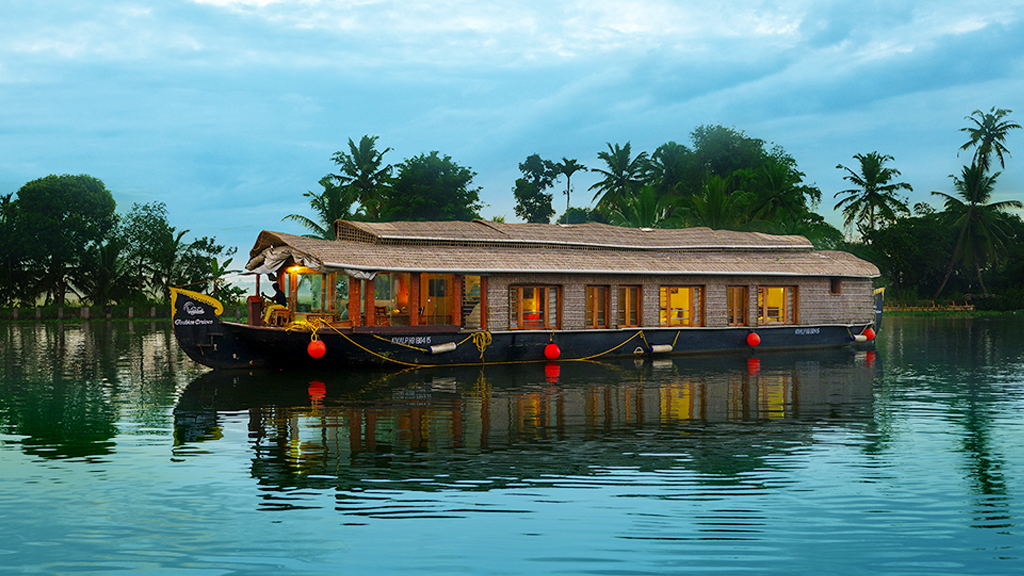
Backwaters: Kerala's backwaters are a chain of interconnected lakes, rivers, canals, and lagoons, and they stretch an impressive 900 kilometers. Alleppey (Alappuzha) and Kumarakom are well-known for their houseboat cruises, where tourists cruise by peaceful waters lined with coconut palms, paddy fields, and picturesque villages. Staying on a houseboat is like entering a live postcard with the local fare cooked onboard.
Hill Stations: Kerala's hill stations like Munnar, Wayanad, and Thekkady are known for their cool weather, tea estates, spice plantations, and wildlife reserves. Travelers can hike along foggy trails, visit waterfalls, and experience panoramic views.
Beaches: The coast of Kerala is more than 580 kilometers long and has some of India's most beautiful beaches. Kovalam, Varkala, and Marari are just suited for sunbathing, swimming, and water sports. Although Kovalam is famous for its vibrant scene, Varkala provides cliffs, peaceful beaches, and sunset views suited for relaxation.
Wildlife and Forests: Kerala has dense forests and wildlife sanctuaries, like Periyar Wildlife Sanctuary and Silent Valley National Park, where elephants, tigers, and birds of exotic species can be seen in their natural habitats. Jungle treks, bamboo rafting, and nature safaris enable the traveler to experience nature responsibly.
Cultural Richness and Heritage
Kerala’s cultural tapestry is as mesmerizing as its natural beauty. The state has a rich history influenced by trade, colonial presence, and local traditions, evident in its architecture, festivals, and performing arts.
Temples and Churches: Kerala’s temples, such as Guruvayur Temple and Sree Padmanabhaswamy Temple, showcase intricate carvings and vibrant rituals. The churches of Kochi, including St. Francis Church, reflect the colonial influence and spiritual diversity of the region.
Festivals: Festivals in Kerala are a vivid mixture of religion, culture, and art. Onam festival, which is celebrated throughout the state, is characterized by traditional dances, boat races, grand feasts (Onasadya), and flower arrangements (Pookalam). Vishu, Thrissur Pooram, and temple festivals at local levels have grand processions, music, and fireworks.
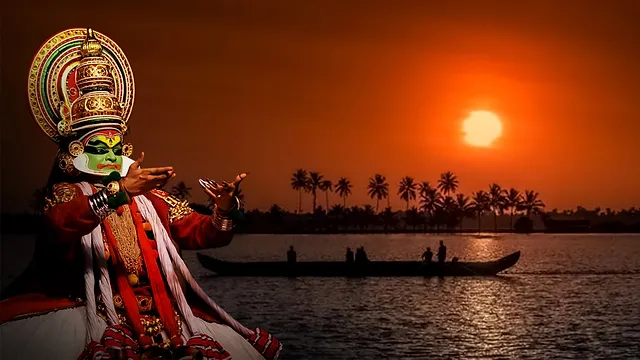
Performing Arts: Kerala is famous for its classical dance traditions such as Kathakali, Mohiniyattam, and traditional martial arts shows like Kalaripayattu. These performances incorporate narrative, music, and lavish costumes, providing a complete cultural experience.
Culinary Delights
Food in Kerala is a major contributor to its appeal. With its application of coconut, spices, seafood, and rice meals, it transcends the senses with a flavor explosion that is unique and unforgettable.
-
Traditional Foods: The Sadya, a vegetarian meal on a banana leaf during celebrations, is a culinary gem. It consists of rice, sambar, avial, thoran, pickles, and payasam, with sweet through tangy to spicy flavors.
-
Seafood: Kerala's coastal areas offer a bountiful array of seafood such as prawns, fish, crabs, and lobsters, cooked in traditional curries with coconut milk and spices.
-
Street Food and Snacks: Pizzas, dosas, banana chips, unpuzha pazham (ripe banana fritters), bonda, and mutta mala (egg-based snacks) are among the local street food available, giving travelers in transit a taste of real flavor.
-
Beverages: Coconut water, spiced tea, and herbal drinks, usually infused with locally cultivated spices, find their way into most people's hands.
Backwaters and Houseboats
Kerala's backwaters are perhaps its most renowned attraction, combining the best of peace and cultural exposure. Houseboats, known locally as kettuvallams, are old rice barges turned floating hotels. It is possible to stay on a houseboat and enjoy:
-
Early morning scenery of foggy paddy fields and coconut groves.
-
The sights and sounds of local village life, with fishermen and farmers following their routine.
-
Freshly prepared meals served onboard, with traditional Kerala tastes.
-
Opportunities for photography, bird-watching, and relaxation.
The backwater experience is serene and picturesque, and a must-see for the tourist who wishes to be tranquilized and communed with nature.
Adventure and Eco-Tourism
Though Kerala is renowned for its tranquil settings, it also has scopes for adventure tourism:
-
Trekking and Nature Walks: The hill stations of Munnar, Wayanad, and Idukki present trekking routes in tea and spice plantations, misty woods, and waterfall cascades.
-
Water Sports: Beaches and rivers provide the opportunities for kayaking, canoeing, surfing, and snorkeling, which make them ideal for adventure seekers.
-
Wildlife Safaris: Periyar Wildlife Sanctuary, Chinnar Wildlife Sanctuary, and Silent Valley provide guided safaris, bird watching, and nature walks.
-
Sustainable Tourism: Kerala encourages green tourism, with activities ranging from treehouse accommodation, farm tours, to organic farm tours. Tourists are encouraged to be mindful of local environments while experiencing nature in a responsible way.
Ayurveda and Wellness
Kerala is world-famous as an Ayurveda center, the traditional Indian system of medicine. Wellness tourism is a major pull, with tourists looking for rejuvenation and holistic well-being experiences:
-
Ayurvedic Treatments: Classic massages, herbal steam therapy, and detox therapies assist in stress relief, pain management, and overall well-being.
-
Yoga and Meditation: Many retreats throughout Kerala combine yoga, meditation, and Ayurveda, providing spiritual and physical rejuvenation.
-
Herbal Cuisine: Certain wellness resorts serve food that has been prepared in accordance with Ayurvedic principles, such as nutrition, detoxification, and digestion.
Kerala wellness tourism unites relaxation, culture, and nature, hence constituting a holistic tourism experience.
Responsible Tourism and Eco-Friendly Practices
- Kerala has been quite proactive in adopting eco-tourism. Most locations encourage responsible travel practices, including:
- Sustainable lodgings through solar energy, rainwater harvesting, and organic agriculture.
- Local community involvement in tourism to guarantee economic returns trickle down to the masses.
- Nature conservation schemes, wildlife protection programs, and low-impact tourism operations.
- Development of traditional crafts, local products, and cultural experiences that sustain heritage.
- In their support of ecologically friendly practices, tourists help secure Kerala's natural and cultural heritage for generations to come.
Shopping and Handicrafts
Shopping in Kerala is lively, with chances to buy traditional handicrafts, spices, and mementos:
-
Spices: Kerala is also referred to as the "Spice Garden of India," providing black pepper, cardamom, cloves, nutmeg, and cinnamon.
-
Handicrafts: Coir items, wood carvings, brassware, and Kathakali masks are interesting souvenirs.
-
Textiles: Kerala traditional sarees, mundus, and handloom clothes are favored by tourists in search of traditional local wear.
-
Markets: Fort Kochi, Thiruvananthapuram's MG Road, and local weekly markets provide a complete experience of shopping.
Shopping in Kerala is a mix of discovery, cultural immersion, and the pleasure of bringing back home a part of the state.
Festivals and Celebrations
Festivals in Kerala are a big attraction for tourists:
-
Onam: The festival of harvest celebrated with festive meals, boat races, flower decoration, and traditional dance.
-
Thrissur Pooram: Famous for its elaborate elephant processions, percussion groups, and fireworks.
-
Christmas and Eid: Kerala's multi-religious population celebrates important religious festivals with equal fervor, a testament to diversity and tolerance.
-
Temple Festivals: Local temples organize annual festivals with music, dance, and rituals that entice both local and foreign visitors.
Festivals in Kerala give a glimpse of the state's rich cultural heritage and provide experiential learning for visitors.
Culinary Tourism
Food in Kerala is itself an experience. Visitors are urged to discover:
-
Traditional Kerala Meals: Served on banana leaves with a mix of curries, rice items, and sweets.
-
Seafood Specialties: Fresh sea catches cooked with regional spices, coconut milk, and tamarind.
-
Street Food: Pazham pori (banana fritters), ela ada (steamed rice parcels), kappa with fish curry are some snacks.
-
Spice Trails: Spice plantations in Thekkady or Wayanad are visited by tourists to experience cultivation and tasting of traditional spices.
Culinary tourism in Kerala is a mix of flavors, tradition, and learning, which makes it a memorable gastronomic experience for the guests.
Why Kerala is Called "God's Own Country"
- Kerala's reputation as "God's Own Country" is a testimonial to its unrivaled natural beauty, cultural diversity, and genial hospitality. Its guests are charmed by:
- Breathtaking backwaters, beaches, hills, and forests
- Tribal festivals, rituals, and traditional performing arts
- Tasty cuisine fusing local ingredients and spices
- Adventure, wellness, and eco-tourism opportunities
- A balance of tradition and contemporary appeal
- This blend produces a sense of awe, peace, and harmony with nature that makes Kerala a world-famous destination.
Conclusion
Kerala, "God's Own Country," is a destination that has something for every type of traveler. From the tranquil backwaters of Alleppey and the misty Munnar hills to the unspoiled beaches of Kovalam and Varkala, the state is a tapestry of natural splendor, adventure, culture, and wellness. Visitors are attracted to its festivals, food and cuisine, wildlife escapades, and sustainable tourism activities.
No matter what you seek from your vacation – relaxation, adventure, immersion in culture, spiritual renewal – Kerala has it all in store. Its people, their traditions, and the landscapes offer a symphony that makes for an experience to be cherished as truly "God's Own Country.
Pack your bags, imbibe the beauty of Kerala, and live a world where nature, culture, and tradition blend together in perfect harmony, which leaves tourists with memories to last an eternity.